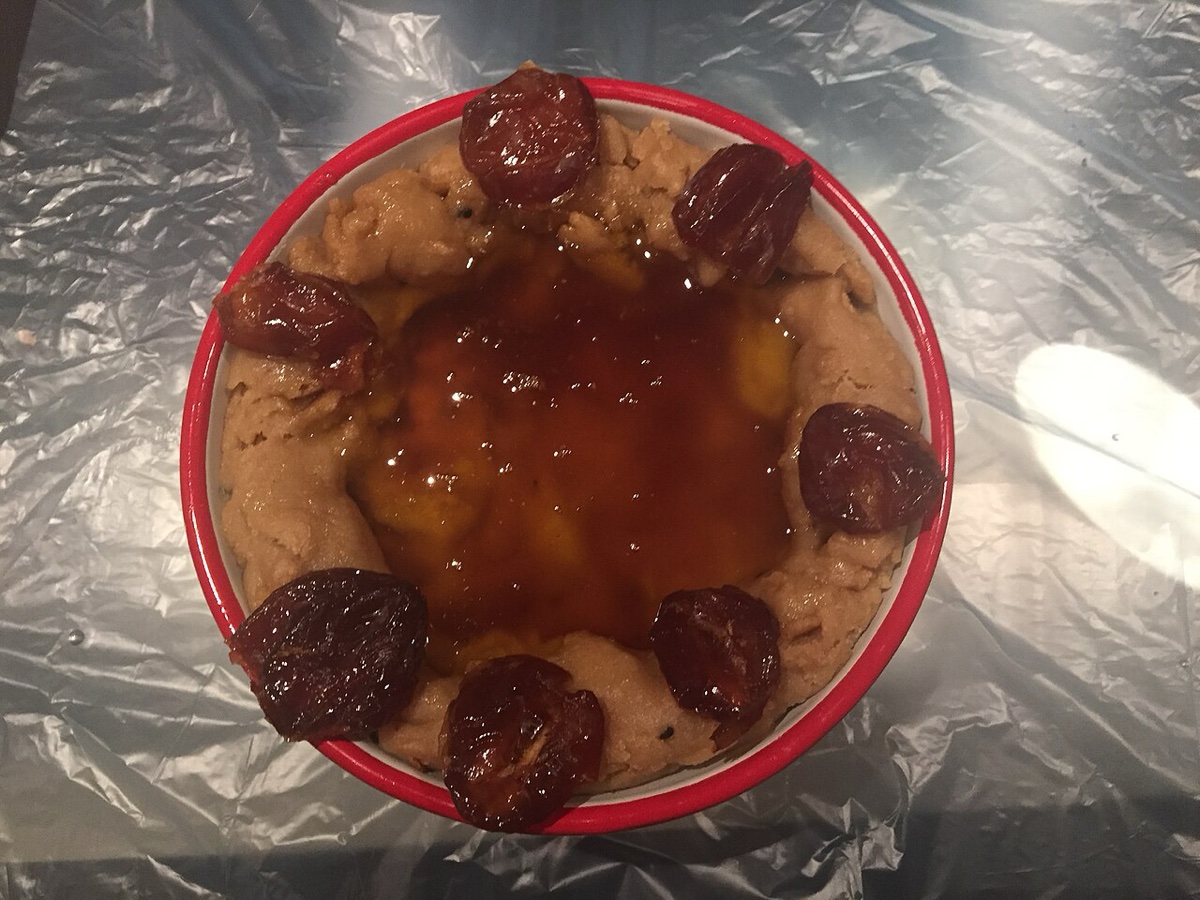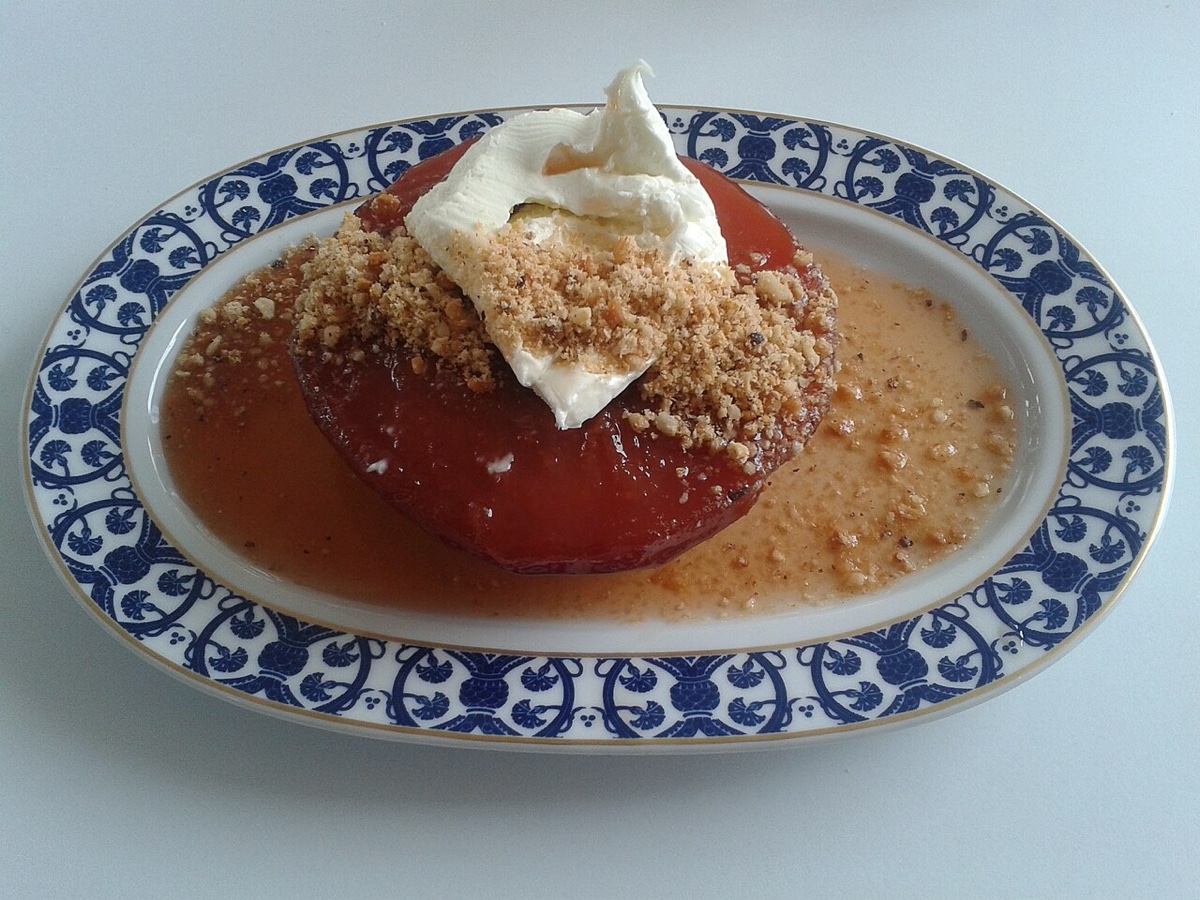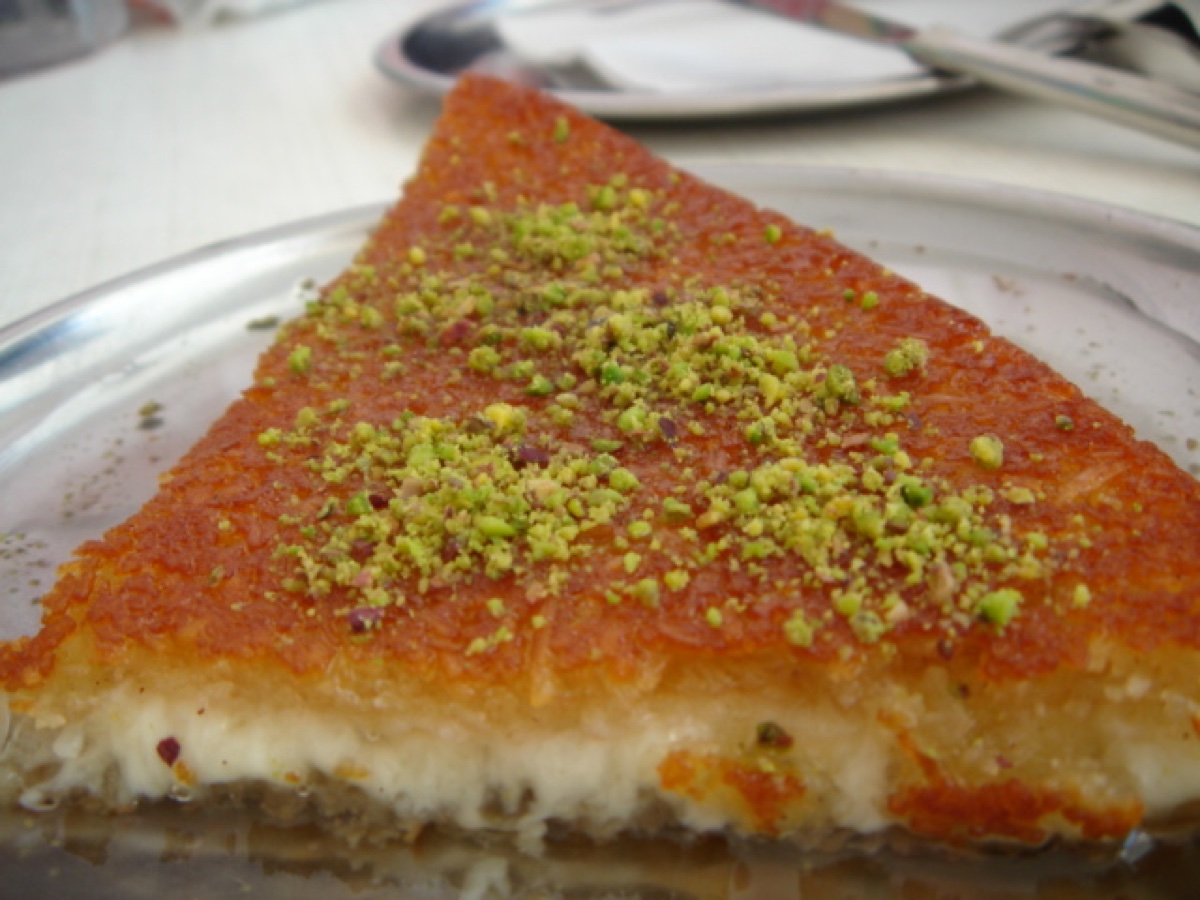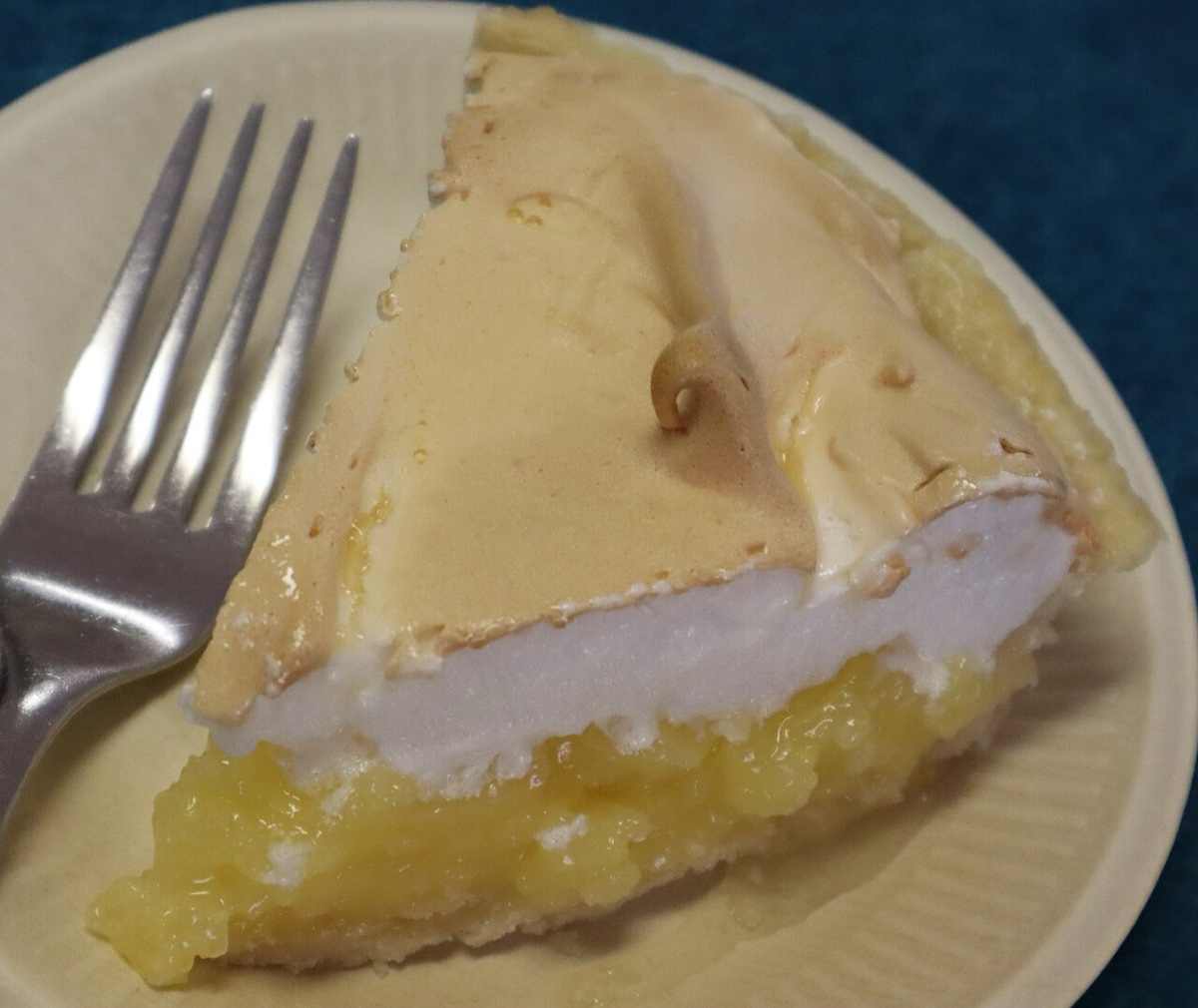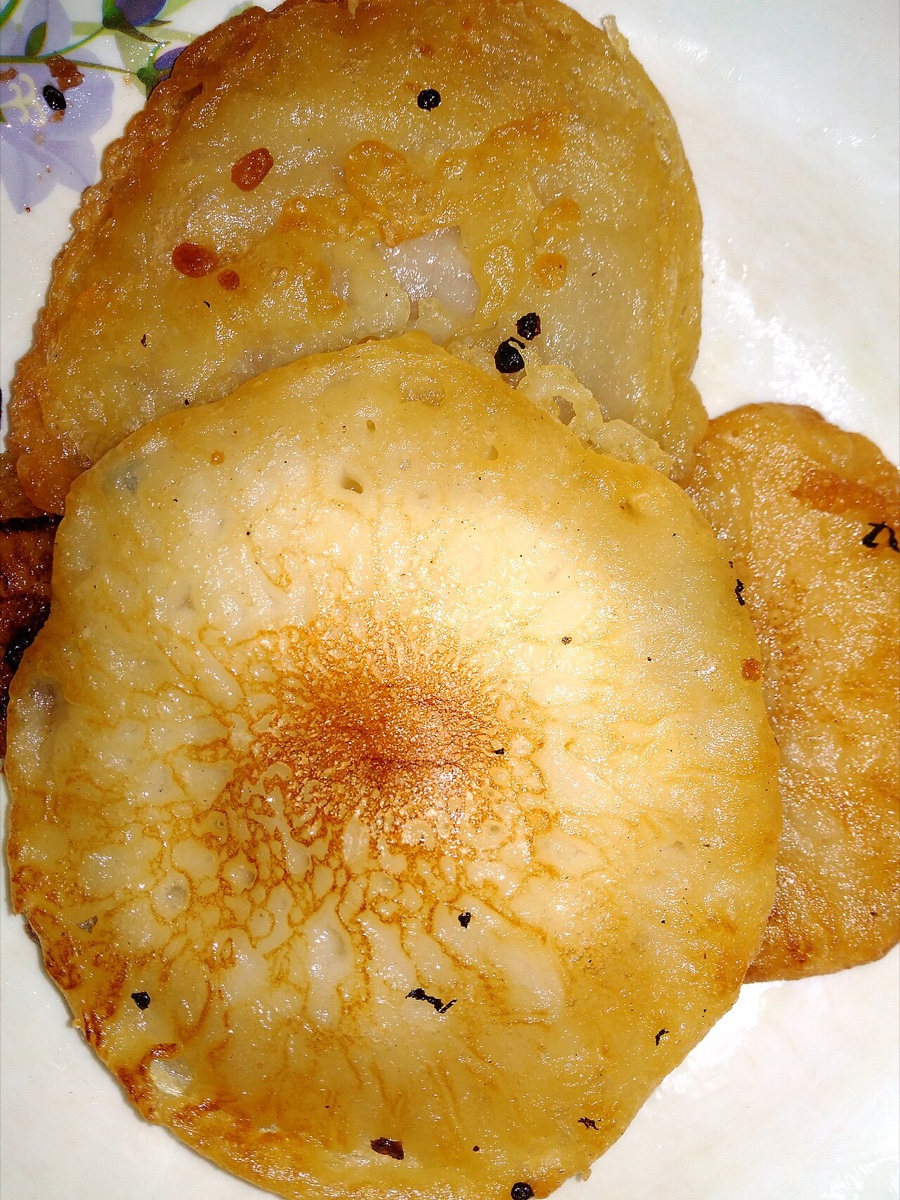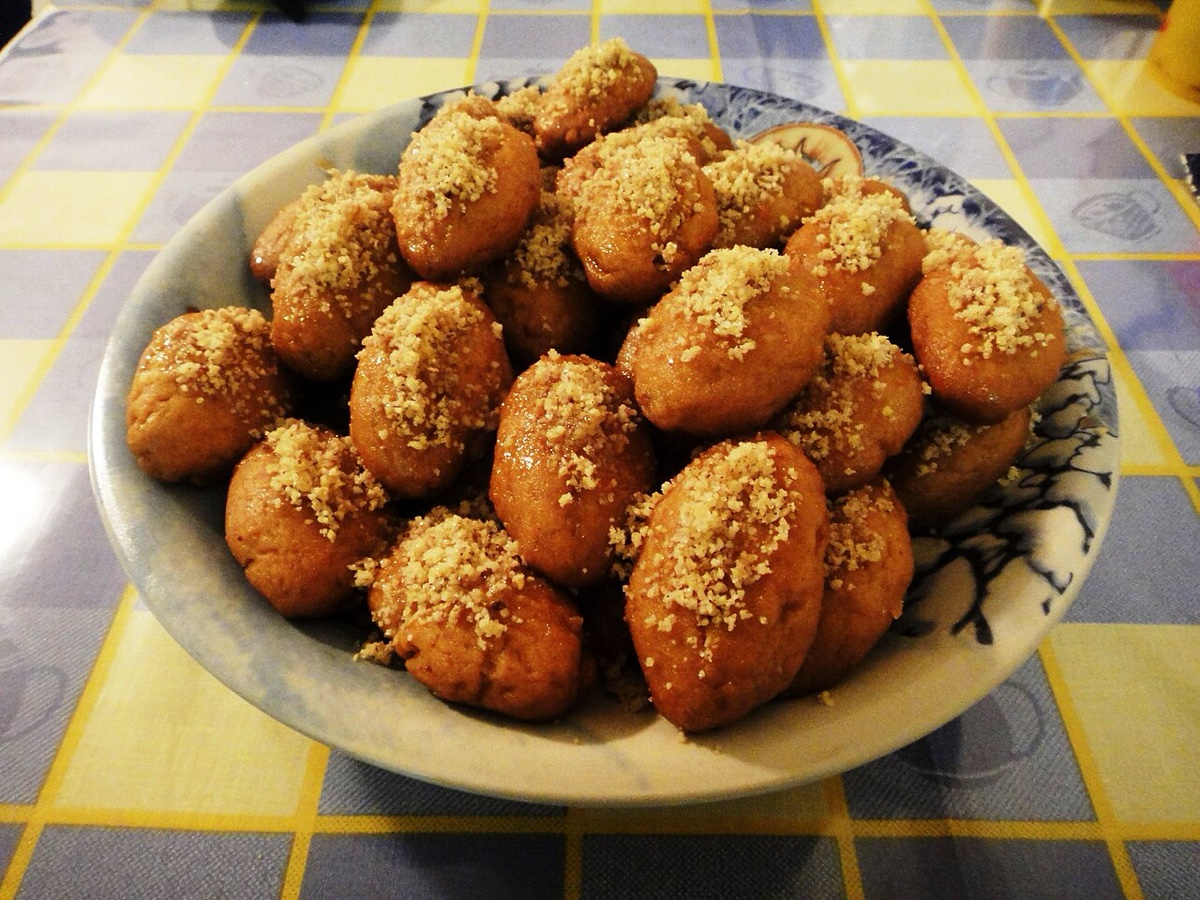
Warm mound of dates-and-wheat Areekah Hejaz with a glossy central well of thick qishta, golden honey, melted ghee, and nigella seeds
Saudi Arabia (Arab Cuisine)
45 min
pastry

Areekah Hejaz (العريكة الحجازية)

Rooted in the traditions of Saudi Arabia’s Hejaz, Al-Baha, and Asir regions, Areekah takes its name from the Arabic verb arak—“to knead and mash together.” Freshly baked whole-wheat burr flatbread is mashed piping hot with soft pitted dates and golden ghee into a velvety caramel-toned dome, hollowed at the center to cradle pooled butterfat, thick qishta cream, wildflower honey, and black nigella seeds.
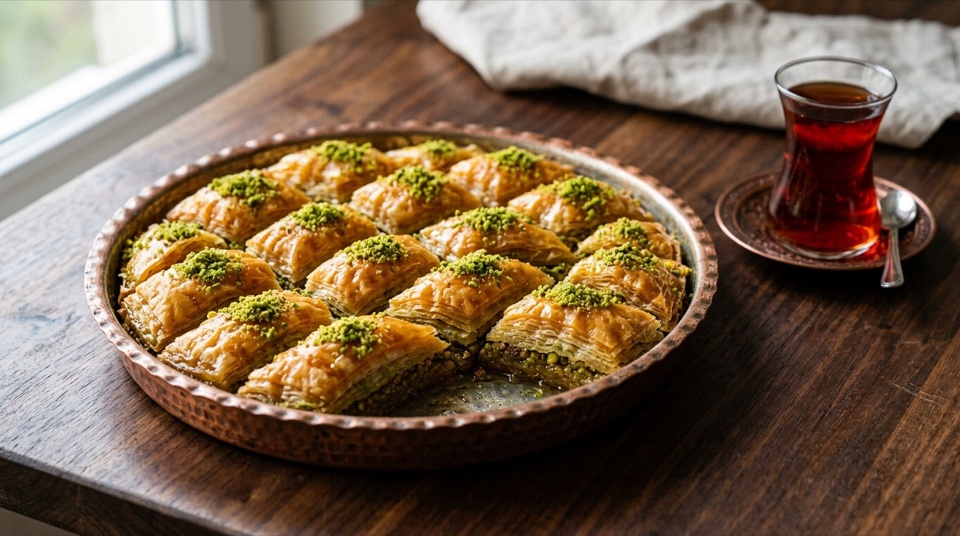
Copper tray of multi-layered golden baklava topped with crushed pistachios alongside Turkish tea
Turkey
105 min
pastry

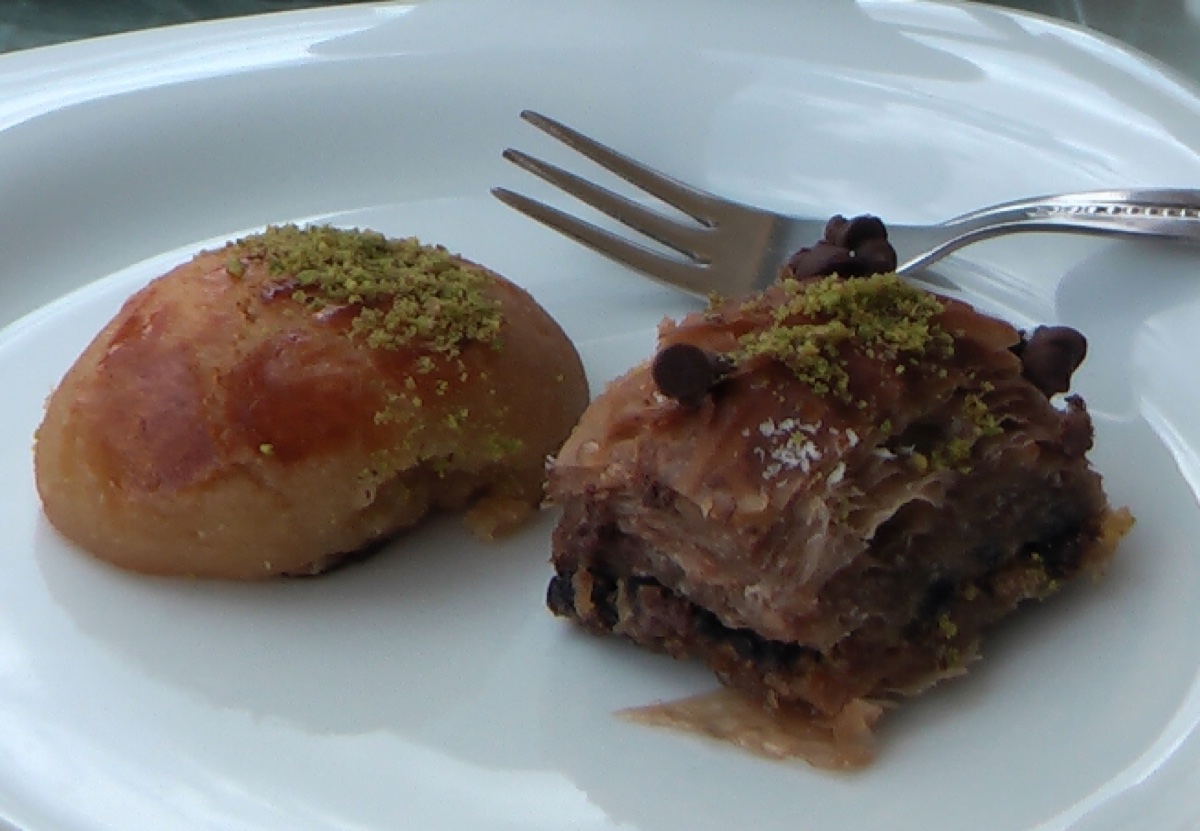
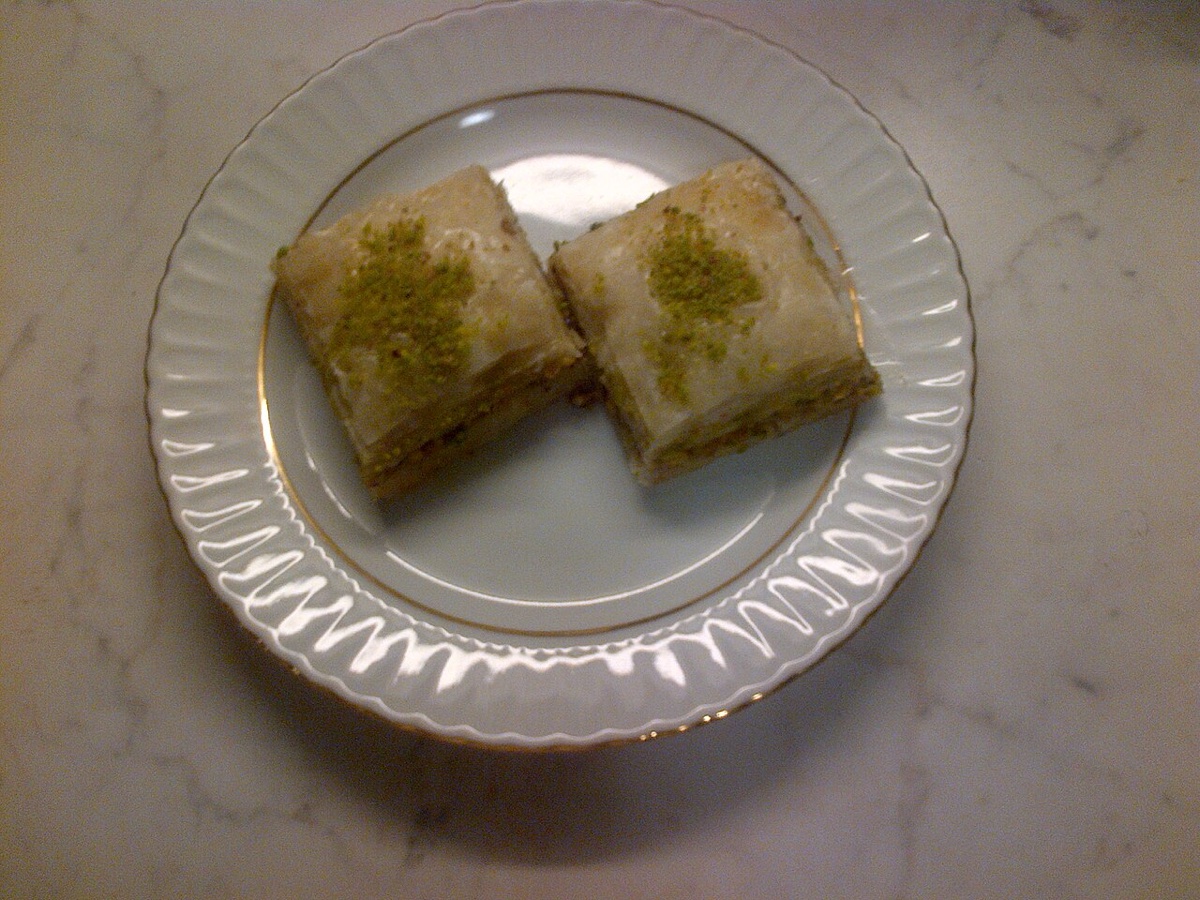
Baklava

Baklava, made by layering paper-thin phyllo dough with pistachios or walnuts and sweetening with syrup, has roots linked to Middle Eastern, Central Asian, and Eastern Mediterranean culinary traditions; its modern ultra-thin layered form is said to have been refined in Ottoman palace kitchens. Gaziantep baklava received EU geographical indication status in 2013. Traditionally served at room temperature with black tea or plain Turkish coffee to preserve its crispness.

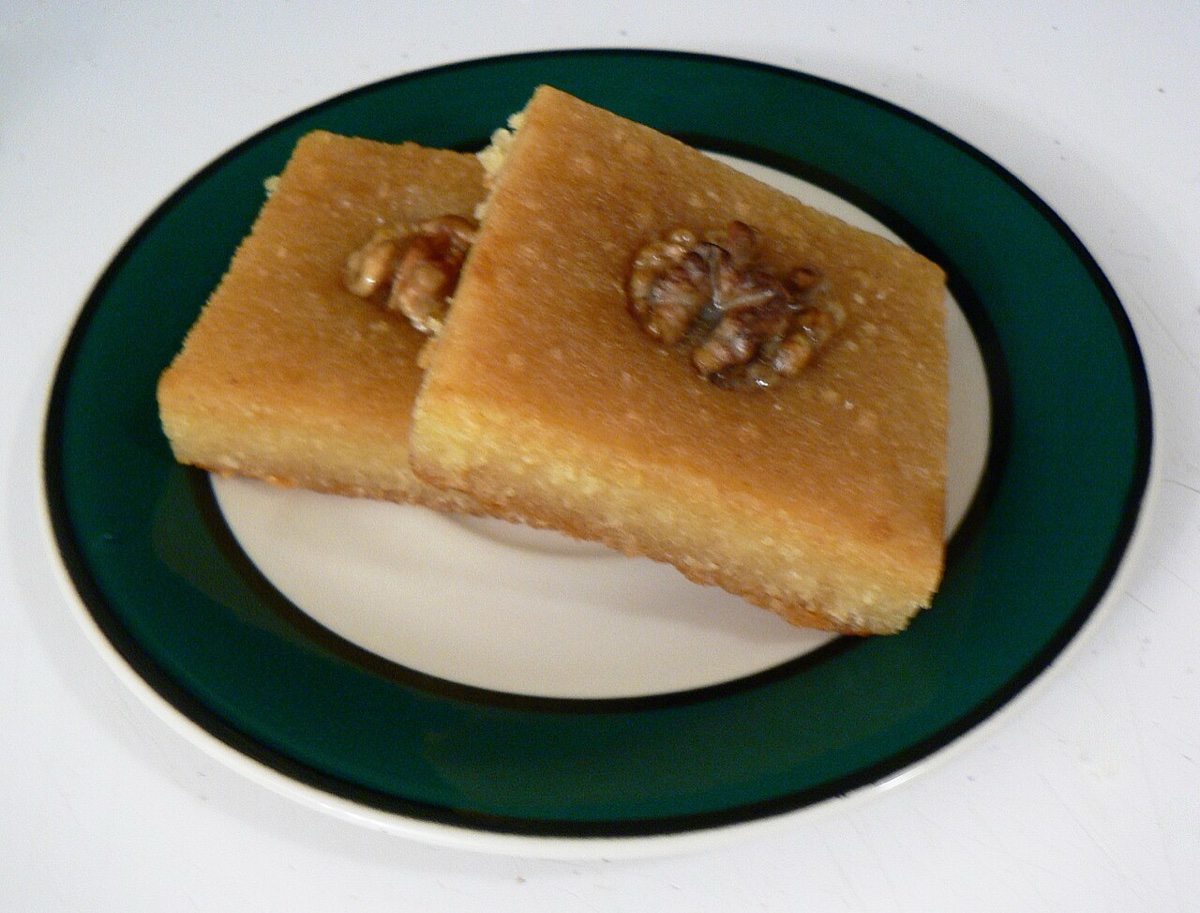
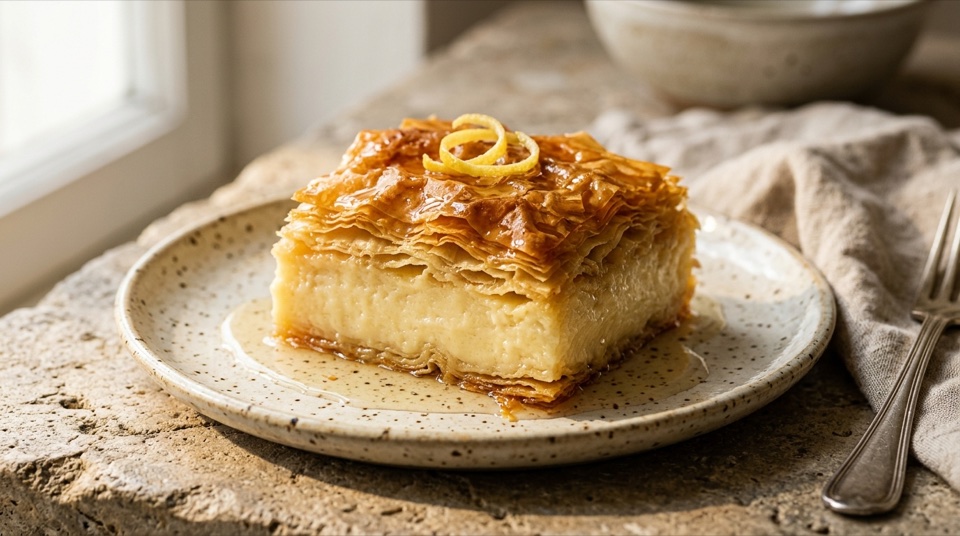
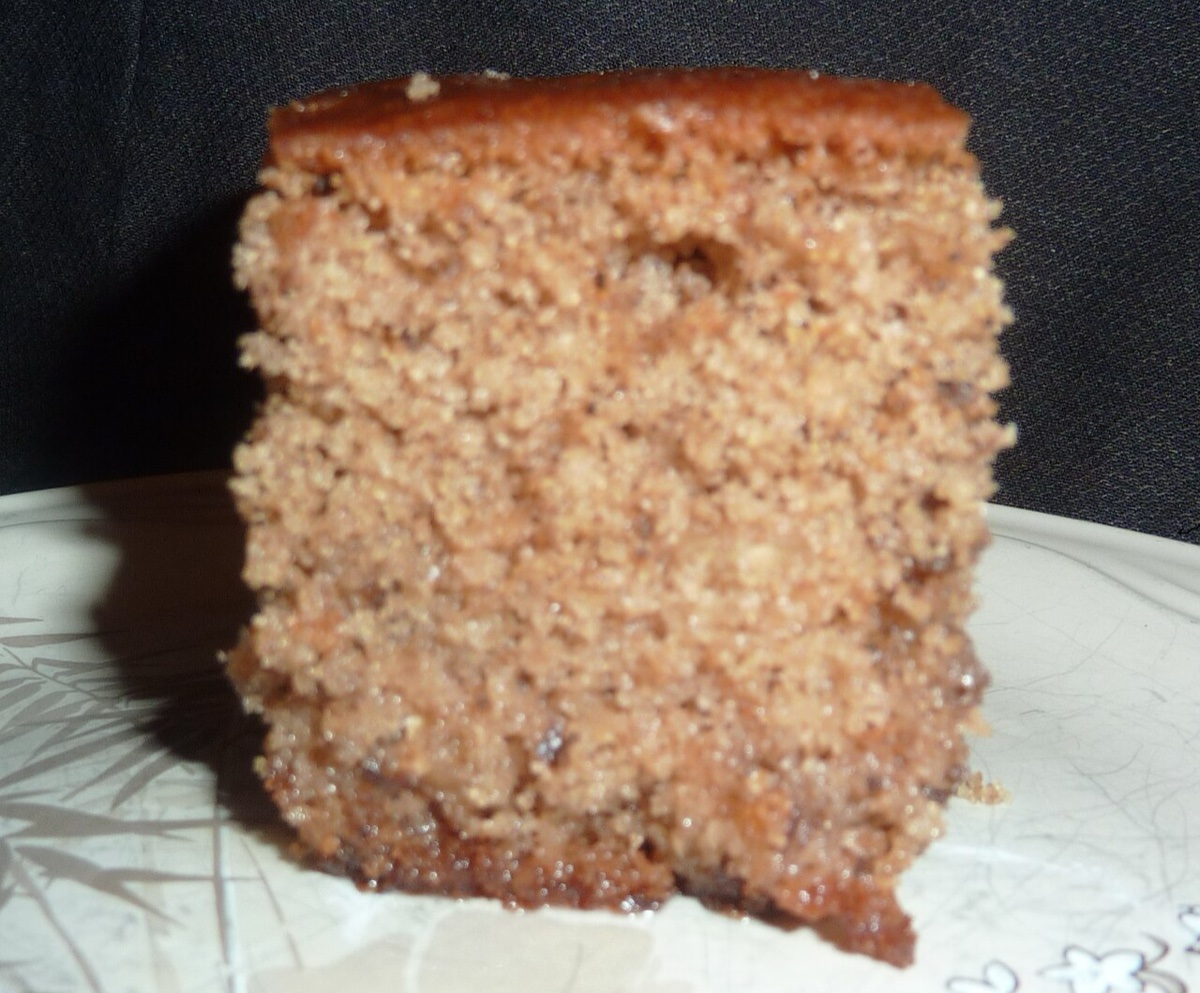
Square-cut golden Turkish sütlü nuriye layered with hazelnuts and soaked in creamy milk syrup
Turkey
85 min
syrup dessert

Sütlü Nuriye

Traced to 1980s Diyarbakır before being popularized in Istanbul patisseries, sütlü nuriye emerged as a lighter, creamier cousin of classic baklava. Instead of pistachios, paper-thin phyllo sheets are layered with blanched hazelnuts and baked golden, then drenched in a warm sweetened milk syrup rather than dense sugar syrup. The milk infusion softens the interior into a silky texture while keeping the upper crust delicately crisp.

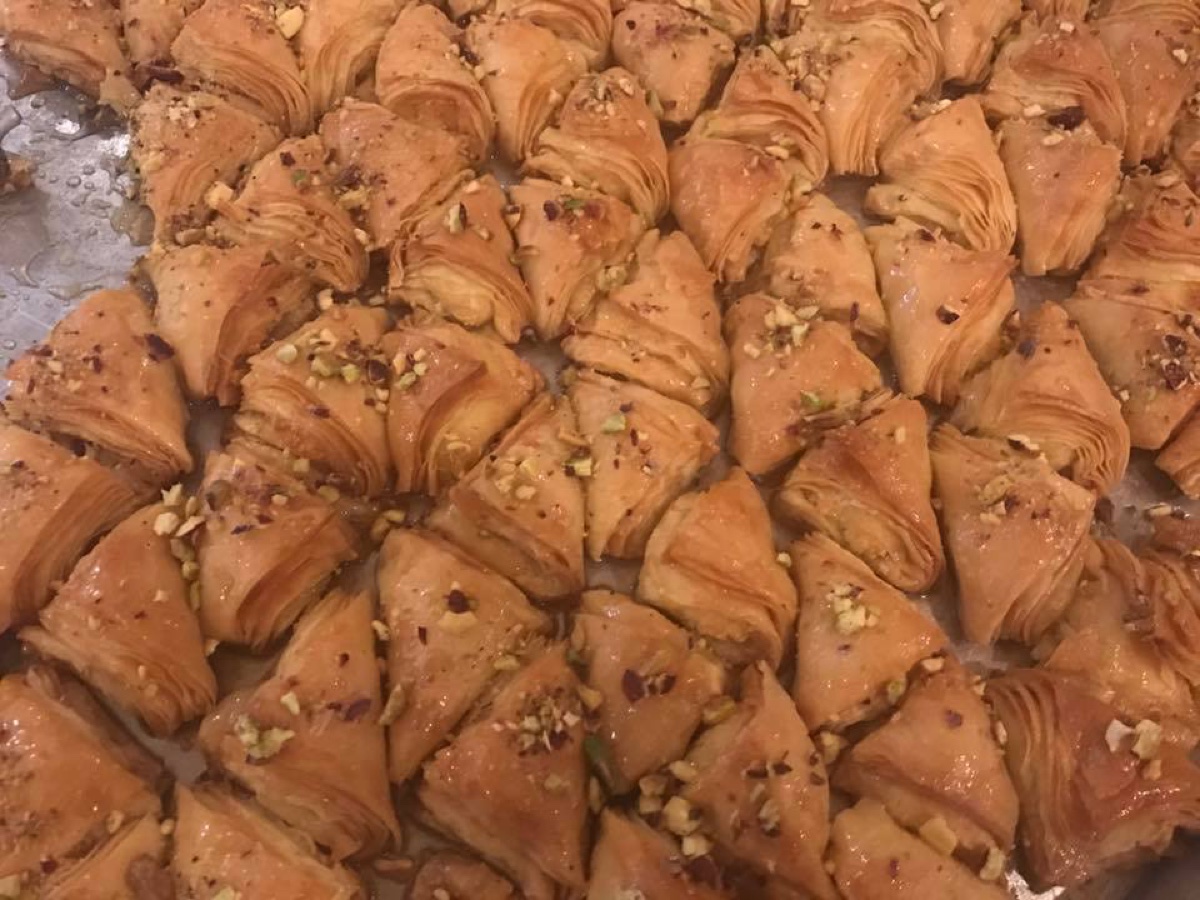
Flaky golden triangular Warbat bil-Qishta pastries layered with puffed phyllo, creamy white qishta peeking out, and green pistachios
Saudi Arabia (Arab Cuisine)
60 min
syrup dessert

Warbat bil-Qishta (وربات بالقشطة)

Named from the Arabic root meaning “slanted” or “angled,” Warbat bil-Qishta are crisp triangular phyllo turnovers adored from Saudi Arabia and Jordan to Lebanon and Syria throughout Ramadan. Twelve buttered sheets of phyllo are stacked, cut into squares, folded diagonally around rich cooked milk qishta, baked until puffed like golden accordion fans, drenched in chilled blossom syrup, and dipped in ground pistachios.

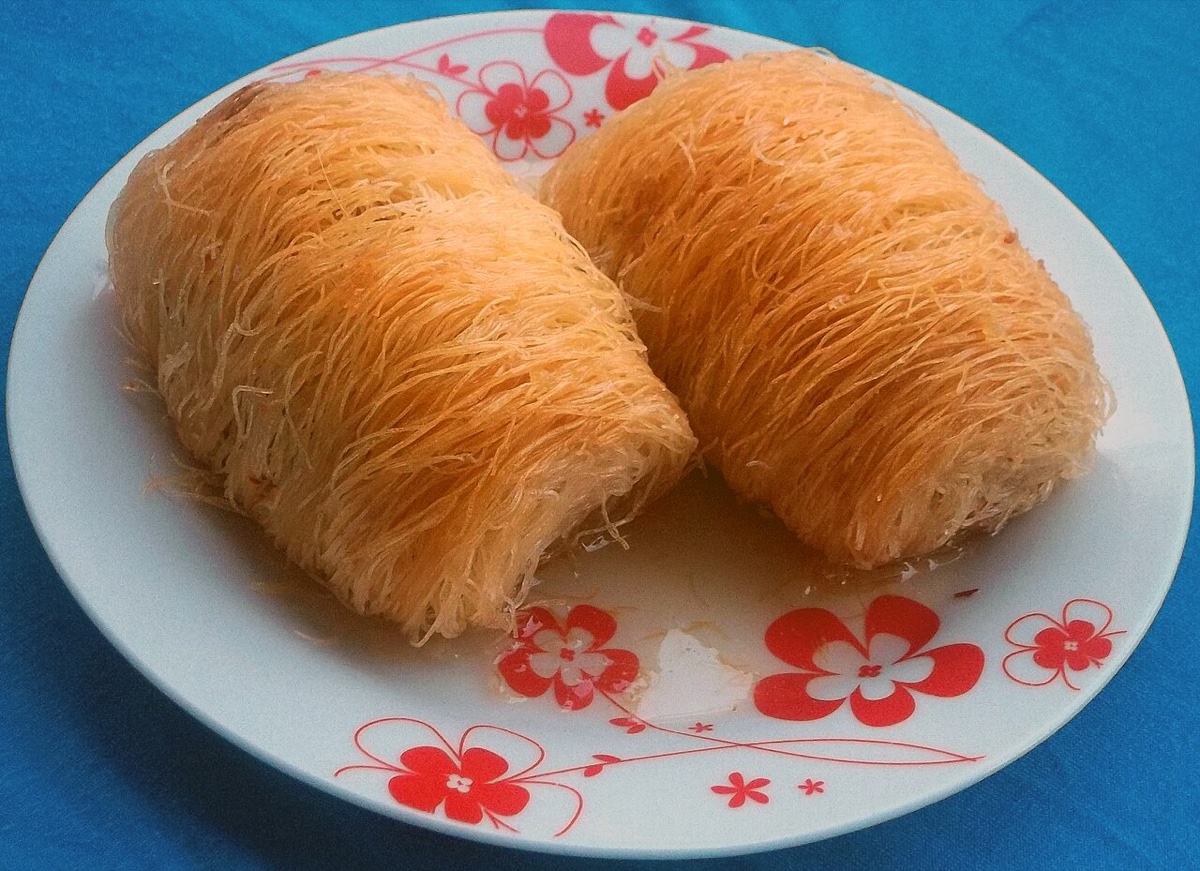
Crisp golden-brown fried Znoud El-Sit phyllo rolls filled with creamy qishta and dipped on both ends in emerald pistachios
Saudi Arabia (Arab Cuisine)
60 min
syrup dessert

Znoud El-Sit (زنود الست)

Meaning “Lady’s Arms,” Znoud El-Sit is an iconic crisp pastry enjoyed from Baghdad and Beirut to Gulf Ramadan patisseries. Delicate baklava phyllo strips are folded tightly around a dense, set milk-and-cream qishta filling, fried until blistered and golden, plunged briefly into ice-cold orange blossom syrup so the crust stays audibly crunchy, and dipped at both ends in crushed green pistachios.

Explore Other Curated Collections